
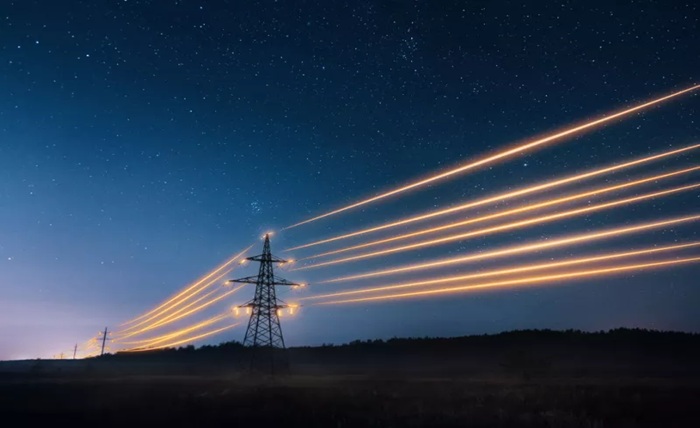
Electricity is no longer a luxury; it is a necessity. The Har Ghar Bijli initiative was launched to ensure that every household in India, regardless of location, has reliable access to electricity. This program is more than just wiring homes; it represents a fundamental step towards improving living standards, enabling education, supporting small businesses, and fostering overall economic development. With Har Ghar Bijli, villages and remote areas that once relied on kerosene lamps and limited solar devices are now lighting up, allowing children to study, families to enjoy modern appliances, and communities to grow.
The Importance of Har Ghar Bijli for Rural Development
Rural India has long faced challenges due to the lack of consistent electricity. The Har Ghar Bijli program is pivotal in changing this scenario. By bringing power to every home, rural communities can leverage technology for farming, storage of perishable goods, and communication. Access to electricity through Har Ghar Bijli also reduces dependence on environmentally harmful fuels and improves health by eliminating smoke from traditional cooking methods. The program’s impact is not only immediate but also long-term, fostering entrepreneurship and skill development among rural youth who can now operate machinery, use the internet, and participate in the modern economy.
How Har Ghar Bijli Transforms Education
Education is at the heart of progress, and the Har Ghar Bijli initiative is a game-changer for students in electricity-starved regions. With every home electrified, children can study after dark, use digital learning tools, and participate in online classes. The presence of electricity also enables schools to operate efficiently with lighting, fans, computers, and internet access. By implementing Har Ghar Bijli, the government ensures that the next generation is not left behind due to infrastructural limitations. In regions where electricity was previously unavailable, children now have equal opportunities to pursue education and unlock their potential.
Economic Benefits of Har Ghar Bijli
The economic impact of Har Ghar Bijli cannot be overstated. Electrification opens doors to small businesses, cottage industries, and home-based enterprises. Farmers can operate water pumps and store crops properly, while artisans can run equipment to increase productivity. By providing electricity to every household, Har Ghar Bijli stimulates local economies, encourages entrepreneurship, and reduces migration to urban centers. Access to electricity also attracts private investment in villages, further strengthening the economic fabric and improving the overall quality of life for residents.
Environmental Impact of Har Ghar Bijli
A lesser-discussed but equally important aspect of Har Ghar Bijli is its environmental contribution. Providing reliable electricity reduces the dependence on kerosene, firewood, and other polluting fuels traditionally used for lighting and heating. By enabling households to switch to cleaner energy sources, Har Ghar Bijli helps reduce carbon emissions and promotes sustainable living. Additionally, many electrification projects incorporate renewable energy solutions such as solar micro-grids and energy-efficient technologies, ensuring that Har Ghar Bijli not only powers homes but also protects the environment for future generations.
Challenges in Implementing Har Ghar Bijli
While the benefits of Har Ghar Bijli are immense, the initiative does face challenges. Infrastructure development in remote and hilly areas is difficult and expensive. Maintenance of electrical grids, ensuring uninterrupted supply, and addressing technical faults require continuous attention. Furthermore, awareness campaigns are necessary to educate people about using electricity safely. Despite these hurdles, the government’s commitment to Har Ghar Bijli ensures that persistent efforts are being made to overcome obstacles, making electricity access a reality for every household in India.
Success Stories of Har Ghar Bijli Across India
Across India, Har Ghar Bijli has already transformed countless lives. Villages in states like Bihar, Uttar Pradesh, and Rajasthan now experience uninterrupted electricity, which has enhanced productivity and improved quality of life. Women entrepreneurs have started small home-based businesses, students are excelling academically, and healthcare services are functioning more effectively with powered medical equipment. These success stories underscore the transformative power of Har Ghar Bijli, demonstrating how electrification can uplift communities and pave the way for holistic development.
Future Prospects of Har Ghar Bijli
The future of Har Ghar Bijli is promising, with continuous efforts to integrate renewable energy sources, smart grids, and energy-efficient appliances. Expansion of the initiative aims not only to connect homes but also to provide reliable, sustainable, and affordable electricity. As technology advances, Har Ghar Bijli could also incorporate energy storage solutions and digital monitoring systems, ensuring uninterrupted supply and improved management. This vision aligns with India’s broader goal of becoming a green and energy-secure nation, where every household has access to electricity without harming the environment.
Conclusion
The Har Ghar Bijli initiative is a transformative program that ensures electricity reaches every home in India. By bridging the gap between urban and rural infrastructure, it improves education, economic growth, health, and environmental sustainability. While challenges remain, the successes achieved so far demonstrate the program’s potential to reshape the country’s socio-economic landscape. Electrifying every household is not just about power; it is about empowering citizens, enabling opportunities, and creating a brighter future for India.
FAQs
Q1: What is Har Ghar Bijli?
A1: Har Ghar Bijli is a government initiative to provide electricity access to every household in India, focusing on both rural and urban areas.
Q2: How does Har Ghar Bijli impact rural communities?
A2: The initiative improves living standards, education, and economic opportunities by providing reliable electricity to remote areas.
Q3: What are the main challenges faced by Har Ghar Bijli?
A3: Key challenges include infrastructure development in remote areas, maintenance of grids, and raising awareness about safe electricity use.
Q4: Does Har Ghar Bijli promote renewable energy?
A4: Yes, the initiative incorporates solar and other renewable energy solutions to ensure sustainable and environmentally friendly electrification.
Q5: How can Har Ghar Bijli transform education?
A5: By providing electricity, children can study after dark, schools can use digital tools, and students have access to online learning platforms.