Introduction
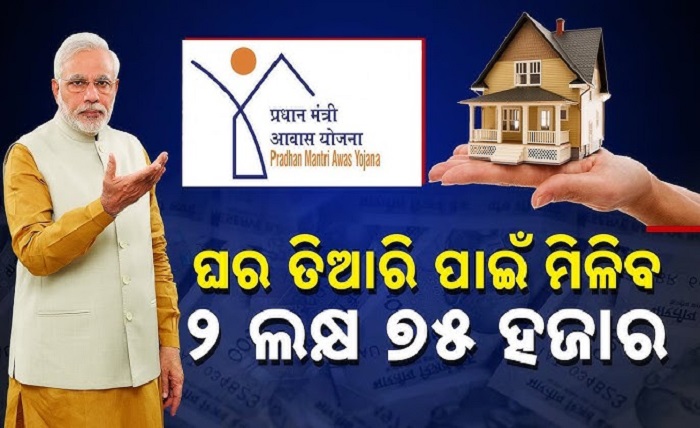
The pm awas yojana is one of the most ambitious housing initiatives launched by the Government of India to ensure “Housing for All.” The pm awas yojana aims to provide affordable housing solutions to economically weaker sections (EWS), low-income groups (LIG), and middle-income groups (MIG). Through the pm awas yojana, millions of families who once struggled to own a house now have hope for a better living standard.
The pm awas yojana is divided into two main components: Pradhan Mantri Awas Yojana Urban (PMAY-U) and Pradhan Mantri Awas Yojana Gramin (PMAY-G). Both segments of the pm awas yojana target different demographics, ensuring that both rural and urban populations benefit from the scheme. The pm awas yojana has significantly contributed to reducing homelessness and improving infrastructure across India.
Objectives of PM Awas Yojana
The core objective of the pm awas yojana is to provide affordable and permanent housing to all eligible citizens by a targeted timeline. The pm awas yojana focuses on constructing durable houses equipped with essential amenities like electricity, water supply, and sanitation.
Another important goal of the pm awas yojana is to empower women by encouraging property ownership in their names. The pm awas yojana also promotes sustainable construction using eco-friendly materials and modern technology. Through these initiatives, the pm awas yojana ensures both social and economic development.
Additionally, the pm awas yojana aims to reduce slum areas and improve the quality of life for underprivileged communities. By offering financial assistance and subsidies, the pm awas yojana makes homeownership achievable for many families who otherwise could not afford it.
Key Features of PM Awas Yojana
One of the standout features of the pm awas yojana is the Credit Linked Subsidy Scheme (CLSS), which offers interest subsidies on home loans. Under the pm awas yojana, beneficiaries can receive reduced interest rates, making housing loans more affordable.
The pm awas yojana also supports in-situ slum redevelopment, meaning slum dwellers can get new homes at the same location. Another key feature of the pm awas yojana is financial assistance for constructing or upgrading homes in rural areas.
The pm awas yojana ensures transparency by using digital platforms for application and tracking. The pm awas yojana also encourages the use of modern construction technologies to speed up the building process and improve quality.
Eligibility Criteria for PM Awas Yojana
To benefit from the pm awas yojana, applicants must meet certain eligibility requirements. The pm awas yojana primarily targets families who do not own a pucca house anywhere in India. Income categories play a crucial role in determining eligibility under the pm awas yojana.
For the pm awas yojana, the EWS category includes households with an annual income up to ₹3 lakh, while LIG includes those earning between ₹3 lakh and ₹6 lakh. The pm awas yojana also includes MIG categories with higher income limits.
Another important condition of the pm awas yojana is that beneficiaries should not have availed of any other housing scheme from the government. Women ownership or co-ownership is often mandatory in the pm awas yojana, promoting gender equality.
Benefits of PM Awas Yojana
The pm awas yojana offers numerous benefits that make it highly attractive for eligible individuals. One of the major advantages of the pm awas yojana is the interest subsidy on home loans, which significantly reduces the financial burden.
Through the pm awas yojana, beneficiaries receive financial assistance for constructing new houses or upgrading existing ones. The pm awas yojana also improves living standards by ensuring access to basic amenities.
Another benefit of the pm awas yojana is its inclusive approach, covering urban and rural populations alike. The pm awas yojana also boosts employment opportunities in the construction sector, contributing to economic growth.
Application Process for PM Awas Yojana
Applying for the pm awas yojana is a straightforward process that can be completed online or offline. The pm awas yojana online application can be done through the official website, where applicants need to fill in personal and income details.
To apply for the pm awas yojana, applicants must provide documents such as Aadhaar card, income proof, and bank account details. The pm awas yojana application also requires verification by local authorities.
Offline applications for the pm awas yojana can be submitted at Common Service Centers (CSCs) or authorized banks. The pm awas yojana ensures a transparent process, allowing applicants to track their application status online.
PM Awas Yojana for Urban and Rural Areas
The pm awas yojana is divided into urban and rural components to cater to different needs. The pm awas yojana urban focuses on providing affordable housing in cities through partnerships with private developers.
The pm awas yojana gramin, on the other hand, targets rural households lacking proper housing. Under the pm awas yojana, financial assistance is directly transferred to beneficiaries’ bank accounts.
Both versions of the pm awas yojana aim to improve infrastructure and living conditions. The pm awas yojana also integrates other government schemes like sanitation and electricity to provide a holistic development approach.
Challenges and Future of PM Awas Yojana
Despite its success, the pm awas yojana faces several challenges. Issues such as land availability, construction delays, and lack of awareness can hinder the progress of the pm awas yojana.
The pm awas yojana also requires better coordination between central and state governments for efficient implementation. However, continuous improvements and policy updates are strengthening the pm awas yojana.
Looking ahead, the pm awas yojana is expected to incorporate more advanced technologies and sustainable practices. The pm awas yojana will continue to play a crucial role in achieving the vision of “Housing for All.”
Conclusion
The pm awas yojana is a transformative initiative that has brought hope and stability to millions of families across India. By providing affordable housing, financial assistance, and essential amenities, the pm awas yojana has significantly improved living standards.
The pm awas yojana not only addresses housing shortages but also promotes social equality and economic growth. As the pm awas yojana continues to evolve, it will remain a cornerstone of India’s development journey.
FAQs
1. What is PM Awas Yojana?
The pm awas yojana is a government scheme aimed at providing affordable housing to eligible citizens in India.
2. Who is eligible for PM Awas Yojana?
Eligibility for the pm awas yojana depends on income category, property ownership status, and other criteria set by the government.
3. How can I apply for PM Awas Yojana?
You can apply for the pm awas yojana online through the official portal or offline via Common Service Centers.
4. What benefits does PM Awas Yojana provide?
The pm awas yojana offers interest subsidies, financial assistance, and access to basic amenities.
5. Is PM Awas Yojana available in rural areas?
Yes, the pm awas yojana includes a rural component called PMAY-G, specifically designed for rural households.